
Recognizing Chronic & Severe Mental Illness: A First Responder Guide
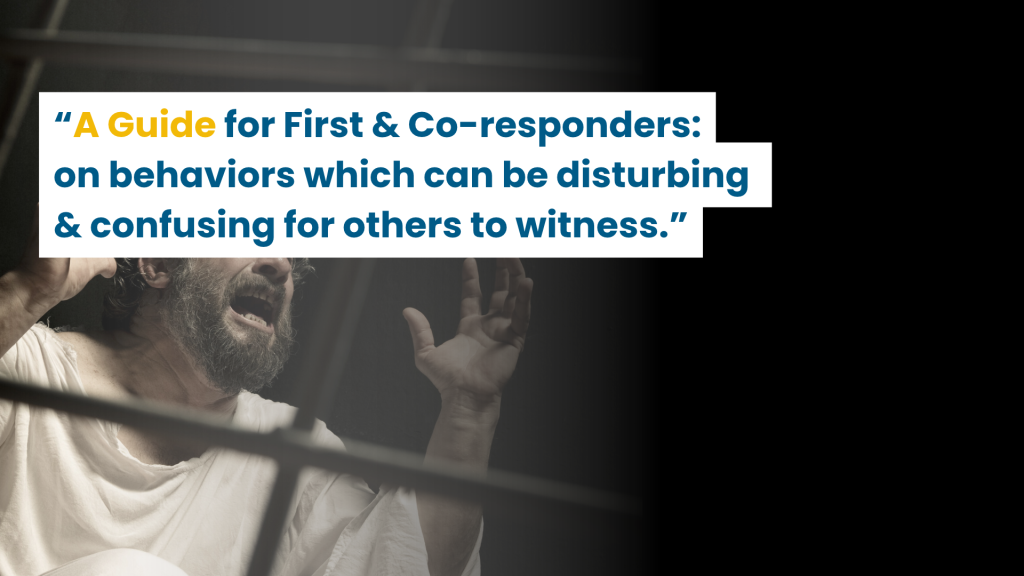
David A. Porter, MA, LADC Note: All decisions must be made in accordance with departmental policy, medical protocol, and jurisdictional requirements. This article is for educational purposes only. Severe and chronic mental illness refers to psychological conditions that are distressing, potentially disabling, and require ongoing treatment but can be treatment-resistant. These conditions are lifelong and […]
When the Shot Window Closes: The MIH-CP Gap in Injectable OUD Treatment

Extended-release medications changed opioid use disorder treatment. A single injection of Sublocade (buprenorphine) or Vivitrol (naltrexone) covers a patient for a month, sometimes longer, without the daily discipline of a pill or the daily trip to a dispensing clinic. For patients who’ve struggled with adherence, that’s the whole point: fewer decision points mean fewer chances […]
The Overdose Prevention and Response Toolkit for Community-Based Crisis Programs
Overdose prevention and response must be integrated into crisis response systems, as the overdose crisis is one of the most urgent public health challenges facing communities today. Community-based crisis programs like MCT, CRT, behavioral health outreach teams, and community paramedicine programs are at the front line of this epidemic and often encounter individuals who experience […]
Opioid Overdose Response for First Responders: Signs, Narcan & Safety
Note: The author is a licensed behavioral health provider, not a medical provider. Content is based on a review of the literature and practical experience in managing opioid dependence. Always follow applicable medical direction and departmental protocols. This article is for informational purposes only and is intended to supplement, not replace, live hands-on training. How […]
Update on 2026 NPS (Novel Psychoactive Substances) for First Responders
NPSs (Novel Psychoactive Substances) are chemical substances that are newly available on the black market or, in some jurisdictions, are unregulated. Some are diverted veterinary medications that have sedative and analgesic (pain-relieving) effects. Others are tranquilizers or analgesics, which are used in foreign countries but not approved in the US. There are also familiar and […]
What’s Inside a Community Paramedic Vehicle?

Community paramedics are tailored to focus on long-term wellness, preventative care, and stabilizing patients within their own homes. In our previous look at the Community paramedic’s toolkit, we explored the basic diagnostic tools. In Part 2, we zoom outwards to look at the equipment inside a community paramedic vehicle, as well as specialized tools and […]
Integrating Suboxone Treatment Into Community Paramedicine for Better Outcomes

If you ask any paramedic about their experiences using Narcan (Naloxone), you’ll get a wide array of stories – and not all of them good. Due to some of these side effects, some health systems are exploring bringing suboxone treatment into community paramedicine. Here’s why some community paramedicine programs are incorporating Suboxone into their treatment. […]
What Is Opioid Response Software—and Why Communities Need It Now
Opioid response software has changed how communities respond to (and prevent) overdoses. Here you’ll learn the reasons why we need more opioid response data, and how specialized software can change the game. Opioid response software acts as the headquarters or command center for a community’s battle against substance abuse disorders and drug overdoses. It can […]
What Does Each Co-Responder Bring to the Scene? A Look Inside Their Field Gear
When someone calls 911 for a behavioral or mental health emergency, the traditional response has often been law enforcement, sometimes with outcomes that escalate rather than support. But communities are beginning to change the narrative. Co-responder teams, made up of mental health clinicians paired with law enforcement, are helping people in crisis get the right […]