
This article explores how community collaboration, mobile crisis services, and Crisis Intervention Team (CIT) policing models are helping communities respond more effectively to behavioral health emergencies while preserving dignity, safety, and access to care.
Mental Health Is a Community Responsibility
Mental health challenges rarely occur in isolation. They are influenced by grief, trauma, economic stress, family conflict, substance use, social pressures, and broader societal changes. Many communities today face overlapping stressors, including lingering pandemic effects, rising substance use, economic uncertainty, social media pressures, and increasing rates of trauma and loss. These factors can elevate stress and reduce resilience across entire populations.
A key insight from behavioral health professionals working in crisis services is that mental health is not simply an individual issue. It is a shared community responsibility. Everyone experiences stress, loss, or crisis at some point. A job loss, relationship breakdown, or major life change can trigger emotional distress that may escalate into a behavioral health crisis if not addressed. Understanding this helps shift the narrative from “us versus them” to a recognition that mental health challenges can affect anyone.
Communities that acknowledge this shared responsibility are more likely to invest in prevention, education, and collaborative response systems that support individuals before situations escalate into emergencies.
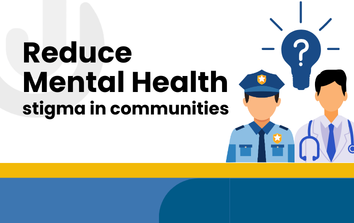
How to Understand and Reduce Mental Health Stigma
Stigma remains one of the most significant barriers to effective mental health care. Misconceptions about mental illness often lead to shame, silence, and delayed treatment. Common stigmatizing beliefs include assumptions that people with mental health conditions are weak, dangerous, attention-seeking, or incapable. These stereotypes not only discourage individuals from seeking help but also shape how communities and systems respond to them.
Stigma can appear in everyday language and attitudes. Words used casually to describe mental illness often carry negative connotations that reinforce misunderstanding. Unlike physical illnesses such as cancer or heart disease, mental health conditions are frequently described using slang or dismissive language. This reflects a broader lack of understanding about the complexity of mental health and the reality that many people live with diagnosable conditions while maintaining productive, meaningful lives.
To reduce mental health stigma requires intentional community efforts. Open conversations about mental health, public education, and compassionate language can help normalize help-seeking behavior. Encouraging empathy and understanding allows communities to move away from blame and toward support. Addressing stigma within families, workplaces, and schools is particularly important, as these environments often influence whether individuals feel safe seeking care.
Crisis Versus Diagnosis: Understanding the Difference
Not every mental health challenge constitutes a formal diagnosis. Behavioral health professionals often distinguish between a diagnosable mental illness and a situational crisis. A diagnosis typically involves meeting specific clinical criteria over time, while a crisis can arise from sudden life stressors that overwhelm an individual’s coping abilities.
A mental health crisis occurs when a person’s emotional or behavioral state exceeds their ability to manage it safely. This may include suicidal ideation, severe anxiety, psychosis, substance-related crises, or significant functional impairment. Crises can be triggered by acute events such as bereavement, trauma, or major life disruptions. Importantly, a crisis does not always indicate a long-term mental illness, but it does require timely intervention and support.
Recognizing this distinction helps communities respond appropriately. Crisis response systems aim to stabilize individuals, connect them with services, and prevent unnecessary involvement with the criminal justice system.
The Role of Mobile Crisis Response Teams
Mobile crisis response teams are a cornerstone of modern behavioral health systems. These teams typically consist of clinicians and case managers who respond directly to individuals experiencing behavioral health emergencies. Their goal is to assess the situation, de-escalate the crisis, and connect individuals with appropriate services.
Mobile crisis teams operate in the community rather than requiring individuals to seek help at a facility. They may respond to homes, schools, workplaces, or public spaces. Services often include on-site assessment, stabilization, safety planning, and referral to ongoing care. Teams may serve both individuals already connected to services and those experiencing their first crisis.
An important aspect of mobile crisis work is recognizing that clinicians cannot resolve every underlying issue during a single response. While they may address immediate safety concerns and provide support, long-term solutions often require ongoing therapy, case management, or placement in appropriate treatment settings. Even when immediate resolution is not possible, crisis responders play a vital role in ensuring individuals feel supported and connected to resources.
Mobile crisis teams frequently coordinate with crisis stabilization units, outpatient services, and community resources. In some cases, individuals may require temporary placement in a stabilization facility or inpatient setting. The goal is always to match the individual with the least restrictive and most appropriate level of care.
Crisis Intervention Teams (CIT): A Collaborative Model
One of the most effective models for responding to behavioral health crises involves close collaboration between law enforcement and mental health professionals. The Crisis Intervention Team (CIT) model, often referred to as the Memphis model, is widely recognized as a best practice for improving outcomes in mental health-related police encounters.
CIT programs provide specialized training for law enforcement officers in de-escalation techniques, mental health awareness, substance use disorders, and trauma-informed response. Officers learn how to recognize signs of mental illness, communicate effectively with individuals in crisis, and connect them with appropriate services rather than defaulting to arrest.
In many communities, CIT officers complete extensive training that includes instruction from clinicians, individuals with lived experience, and community partners. The training emphasizes empathy, communication, and safety for all involved. Officers are taught to assess whether individuals meet criteria for involuntary evaluation when they pose a danger to themselves or others or are unable to care for themselves. When appropriate, they can facilitate evaluation and treatment rather than incarceration.
The impact of CIT programs is significant. Historically, individuals with untreated mental illness were often jailed for behaviors related to their conditions. This approach did little to address underlying needs and frequently worsened outcomes. CIT programs aim to redirect individuals toward treatment and support while reducing the risk of injury or escalation during police encounters.
Collaboration Is the Key to Success
Effective crisis response requires coordination among multiple partners. Behavioral health providers, law enforcement agencies, hospitals, social service organizations, and community groups all play a role. Strong relationships and open communication between these entities allow for faster response times, more appropriate interventions, and better outcomes for individuals in crisis.
For example, when law enforcement encounters someone experiencing a behavioral health emergency, they may call on a mobile crisis team for support. Clinicians can conduct assessments, provide guidance, and help determine the best course of action. This collaborative approach ensures that individuals receive care tailored to their needs rather than a one-size-fits-all response.
Community partnerships also help address the broader factors contributing to crises. Housing instability, substance use, domestic violence, and economic hardship can all influence mental health. Coordinated systems allow communities to connect individuals with resources beyond immediate crisis stabilization, supporting long-term recovery and stability.
Balancing Public Safety and Compassion
Law enforcement agencies have a responsibility to maintain public safety, but they also recognize that jails are not appropriate environments for individuals experiencing mental health crises. CIT programs and collaborative crisis response models aim to strike a balance between protecting the public and ensuring individuals receive appropriate care.
Officers must assess whether individuals pose a danger to themselves or others and determine the appropriate level of intervention. In many cases, connecting individuals with mental health services is more effective than arrest. Diversion programs, crisis stabilization units, and outpatient services provide alternatives that address underlying needs while reducing strain on the criminal justice system.
Community members also play a role in this process. Families, neighbors, and organizations can advocate for individuals in crisis and help connect them with resources. Public awareness about available services and crisis response options is essential for ensuring timely intervention.
Moving Forward: Building Resilient Communities
Addressing mental health crises requires more than reactive response systems. Communities must also focus on prevention, education, and long-term support. To reduce mental health stigma communities need increased access to care, and fostered collaboration among agencies can help prevent crises from escalating.
Public education campaigns can encourage people to seek help early and understand available resources. Schools, workplaces, and community organizations can create environments where mental health is discussed openly and support is readily accessible. Training for first responders, healthcare providers, and community members can improve recognition of crisis signs and promote effective intervention.
Ultimately, building resilient communities means recognizing that mental health challenges are part of the human experience. By approaching these challenges with compassion, collaboration, and evidence-based practices, communities can create systems that support individuals in crisis while enhancing safety and well-being for everyone.
Conclusion
Mental health crisis intervention is evolving. Communities across the country are moving away from punitive approaches and toward collaborative, treatment-focused models. When communities reduce mental health stigma, expand mobile crisis services, and implement CIT programs, communities can respond more effectively to individuals in distress.
The success of these efforts depends on partnerships between behavioral health professionals, law enforcement, and community organizations. When these groups work together, they create a system that prioritizes care, safety, and dignity. In doing so, they not only help individuals in crisis but also strengthen the community’s resilience and compassion.