Emergency rooms were designed to treat life-threatening medical emergencies, not to serve as the default response for every crisis. Yet across the U.S., a significant share of emergency department visits are driven by non-emergent behavioral health needs, substance use, homelessness, and social instability. This mismatch places enormous strain on hospitals, inflates costs, and often delivers the wrong kind of care at the wrong time. This infographic will outline how mobile crisis teams help emergency room diversion.
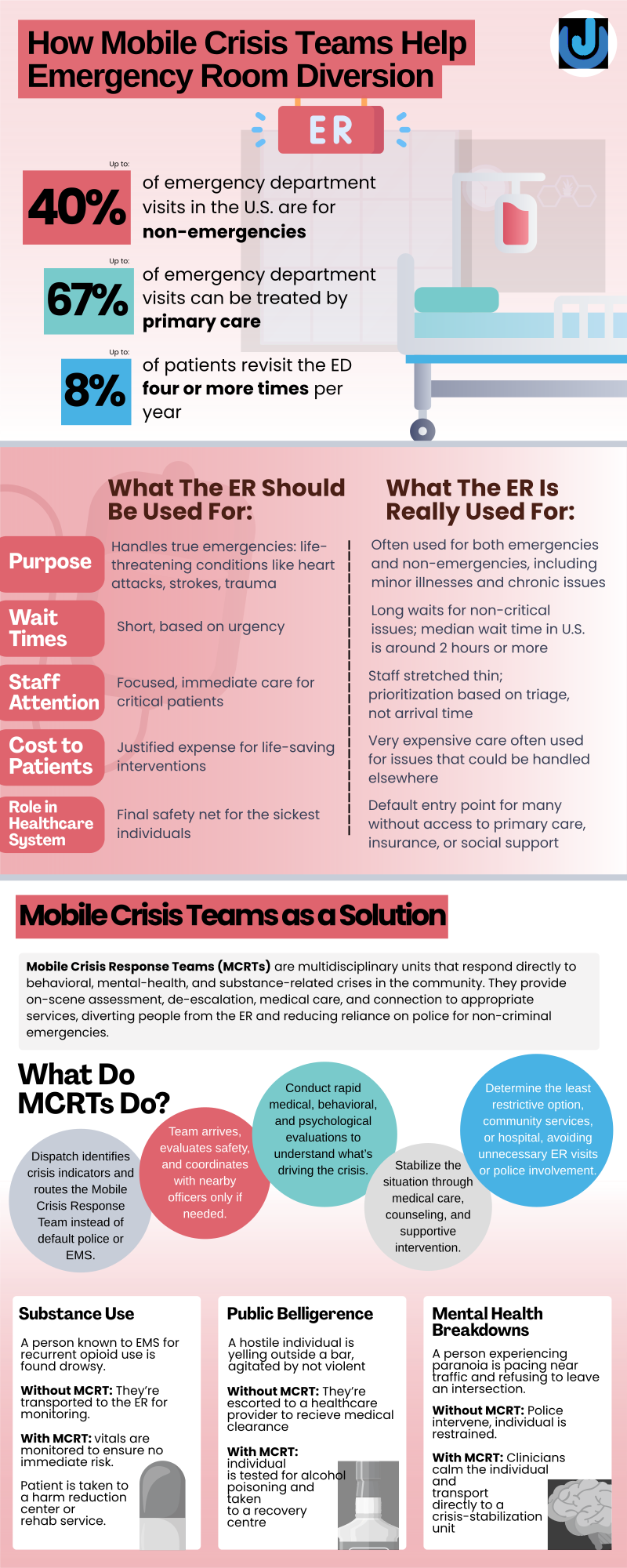
The data is clear. Nearly 40% of emergency department visits are for non-emergencies, and more than two-thirds of these visits could be treated in a primary care or community-based setting. For individuals experiencing behavioral health crises, the emergency room frequently leads to long wait times, limited clinical interaction, and care plans that focus on stabilization rather than resolution. Many return repeatedly, cycling through the system without meaningful follow-up.
Mobile Crisis Response Teams offer a proven alternative. By dispatching clinicians, peer specialists, or specially trained responders directly into the community, these teams address crises where they occur, often before they escalate to emergency room visits or law-enforcement involvement. Mobile crisis teams are designed to assess risk, de-escalate situations, provide short-term stabilization, and connect individuals to appropriate ongoing care.

Unlike emergency departments, mobile crisis teams prioritize time, context, and continuity. They can remain on scene longer, coordinate with community providers, and ensure warm handoffs to outpatient services, crisis stabilization units, or social supports. This approach caters to emergency room diversion, improving outcomes for individuals in crisis while preserving emergency department capacity for true medical emergencies.
As communities rethink crisis response, mobile crisis teams represent a critical shift toward right-sized, data-informed care. When supported by strong coordination and shared information across health and public safety systems, they help move crisis care out of emergency rooms and into the community, where it can be more effective, humane, and sustainable.