
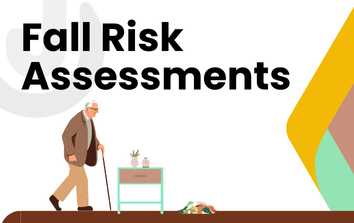
Whether you’re part of a Mobile Integrated Healthcare (MIH) team or simply passionate about helping older adults stay safe at home, we’ve created an infographic that breaks down the essential steps for how to prevent seniors from falling. It highlights common risk factors, practical in-home interventions, and the role MIH clinicians play in reducing avoidable injuries.
Fall prevention is often confused with general home-health safety or routine wellness checks. While it overlaps with both, fall-risk assessment is a distinct and proactive service, one that many MIH, community paramedicine, and aging-in-place programs rely on to keep older adults independent for as long as possible.
At Julota, we hope this fall-prevention infographic brings clarity and offers useful guidance for your teams, partners, and community. Let us know what you think, and feel free to share it with others who may benefit.

The Main Jist
The goal is simple: help older adults stay safely on their feet. The visual breaks down the biggest reasons seniors fall such as medications, poor lighting, cluttered walkways, balance issues, and untreated health conditions and shows how small changes can make a big difference. It highlights what clinicians look for during a home visit, the quick fixes families can handle on their own, and the deeper risks that MIH and community paramedicine teams are trained to catch. The idea is to turn fall prevention into something clear, doable, and part of everyday care rather than a crisis response.
Community paramedics play a crucial role in how to prevent seniors from falling. Because they meet people where they live, they can spot risks that rarely surface during clinic visits like loose rugs, dim hallways, mismatched medications, or mobility challenges that patients often downplay. They are trained to perform fall-risk assessments, adjust care plans on the spot, coordinate with primary care providers, and connect seniors to resources such as assistive devices, home modifications, or social service support. Most importantly, they build trust. That relationship often leads to early intervention, fewer emergencies, and a safer, more confident way of living at home.