
Recognizing Chronic & Severe Mental Illness: A First Responder Guide
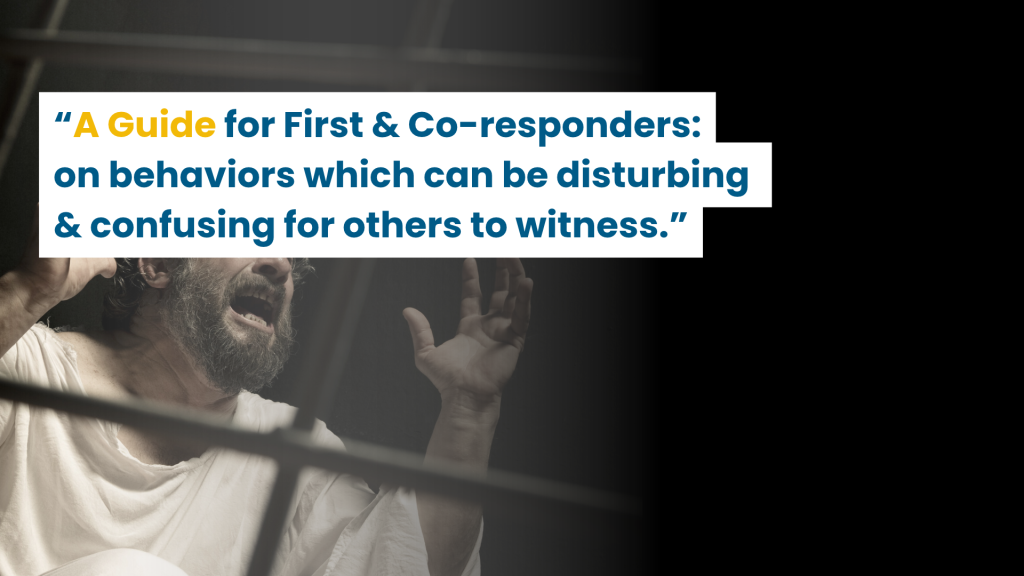
David A. Porter, MA, LADC Note: All decisions must be made in accordance with departmental policy, medical protocol, and jurisdictional requirements. This article is for educational purposes only. Severe and chronic mental illness refers to psychological conditions that are distressing, potentially disabling, and require ongoing treatment but can be treatment-resistant. These conditions are lifelong and […]
How Pre-Arrest Behavioral Health Diversion Works
Pre-arrest behavioral health diversion procedures and resources vary significantly from place to place, especially for work that sits where law enforcement and mental health systems meet. What follows is how the process generally works, the decisions responders face along the way, and what these programs are trying to accomplish. What Is Pre-Arrest Behavioral Health Diversion? […]
MIH-CP and LEAD Partnerships: Breaking the Jail-and-Release Loop
People with untreated behavioral health illnesses or substance use disorder can find themselves stuck in a spiral where their disease leads to minor offenses, arrest, release, and repeat. Law Enforcement Assisted Diversion (LEAD) programs are built on the conviction that, instead of constantly reacting to negative outcomes, we should focus on treating the cause. Community […]
What is Behavioral Health Deflection?

Every day, law enforcement officers and first responders encounter individuals whose greatest need is not arrest, but behavioral health care. This is the gap behavioral health deflection is built to close. First responders see this pattern constantly, in a mental health crisis, a substance use emergency, or repeated calls involving homelessness or untreated mental illness. […]
The Ultimate Co-Response Evaluation Plan: Measuring What Matters in Crisis Response
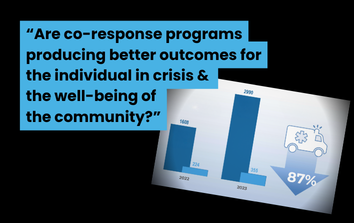
Are co-response programs producing better outcomes for the individual in crisis and the well-being of the community? The impact of crisis response ultimately measures a program’s success, and a thorough evaluation plan is critical for monitoring crisis response interventions and their outcomes. Without an evaluation plan, it is difficult to determine whether co-response programs are […]
Smarter Systems, Better Outcomes: How Data Standards Strengthen Jail Deflection Programs and Ease System Strain.
Jails, emergency departments, and law enforcement agencies are increasingly responding to individuals whose primary needs involve mental health conditions, substance use disorders, homelessness, or untreated behavioral health concerns rather than criminal intent alone. As these systems become overwhelmed, many communities are seeking solutions that improve outcomes while reducing unnecessary strain on the system. Jail deflection […]
Are Diversion Programs Effective in 2026?
Are Diversion Programs Effective? Diversion programs are effective when three conditions hold: the right people are selected for them, the participant cooperates and engages, and the program has the staff, resources, and oversight to follow through. Outcome studies show lower reoffending and lower cost than prosecution for low-level offenders, while poorly resourced programs show little […]
The Hard Truth about Jail Deflection: Officer Buy-in Comes First

What is Jail Deflection? Jail deflection is a strategy where LEOs (Law Enforcement Officers) redirect individuals with severe and persistent mental illness and/or substance abuse away from the criminal justice system and toward mental health or substance abuse treatment. Deflection takes place at the first contact with law enforcement. Instead of being arrested and charged […]
How Mobile Crisis Teams Help Emergency Room Diversion

Emergency rooms were designed to treat life-threatening medical emergencies, not to serve as the default response for every crisis. Yet across the U.S., a significant share of emergency department visits are driven by non-emergent behavioral health needs, substance use, homelessness, and social instability. This mismatch places enormous strain on hospitals, inflates costs, and often delivers […]