In 2022, the launch of the 988 Suicide and Crisis Lifeline promised a new era of accessible mental health support across America. It was a vision of a three-digit beacon of hope. By almost every metric, it has been a resounding success. However, as the system’s popularity has skyrocketed, the pressure on the infrastructure beneath it has intensified.
Today, that infrastructure is beginning to show visible signs of strain. The loss of specialized resources, such as the July 2025 defunding of dedicated LGBTQ+ sub-networks, highlights a growing gap in service. Furthermore, the system requires an immense amount of local labor to remain operational. Nowhere is this tension more apparent than in Kansas. While the state recently managed to meet its response goals, the victory feels fragile. Local crisis centers still face persistent staffing shortages while call volumes continue to climb. The situation in the Sunflower State serves as a sobering case study. When a lifeline becomes a victim of its own success, we must find ways to ensure no one is left waiting on the other end.
How Does Law Enforcement Support 988 When the System Is Strained?
Law enforcement supports 988 when the system is strained by partnering with local crisis providers, knowing where to send people so a call does not default to jail or the emergency room, and dispatching and responding on scene in ways that keep 988 callers out of the criminal justice system. 988 launched in 2022 and succeeded quickly, but its infrastructure now shows strain, including the July 2025 defunding of specialized sub-networks, and local labor fills the gap.
Key Takeaways
- 988 succeeded by almost every metric, and popularity is now straining it.
- Partnerships, destinations, and dispatch are the three things police control.
- The loss of specialized sub-networks widened the service gap.
- Local labor keeps 988 operational where the system is thinnest.
How Does Law Enforcement Support 988 When the System Is Strained?
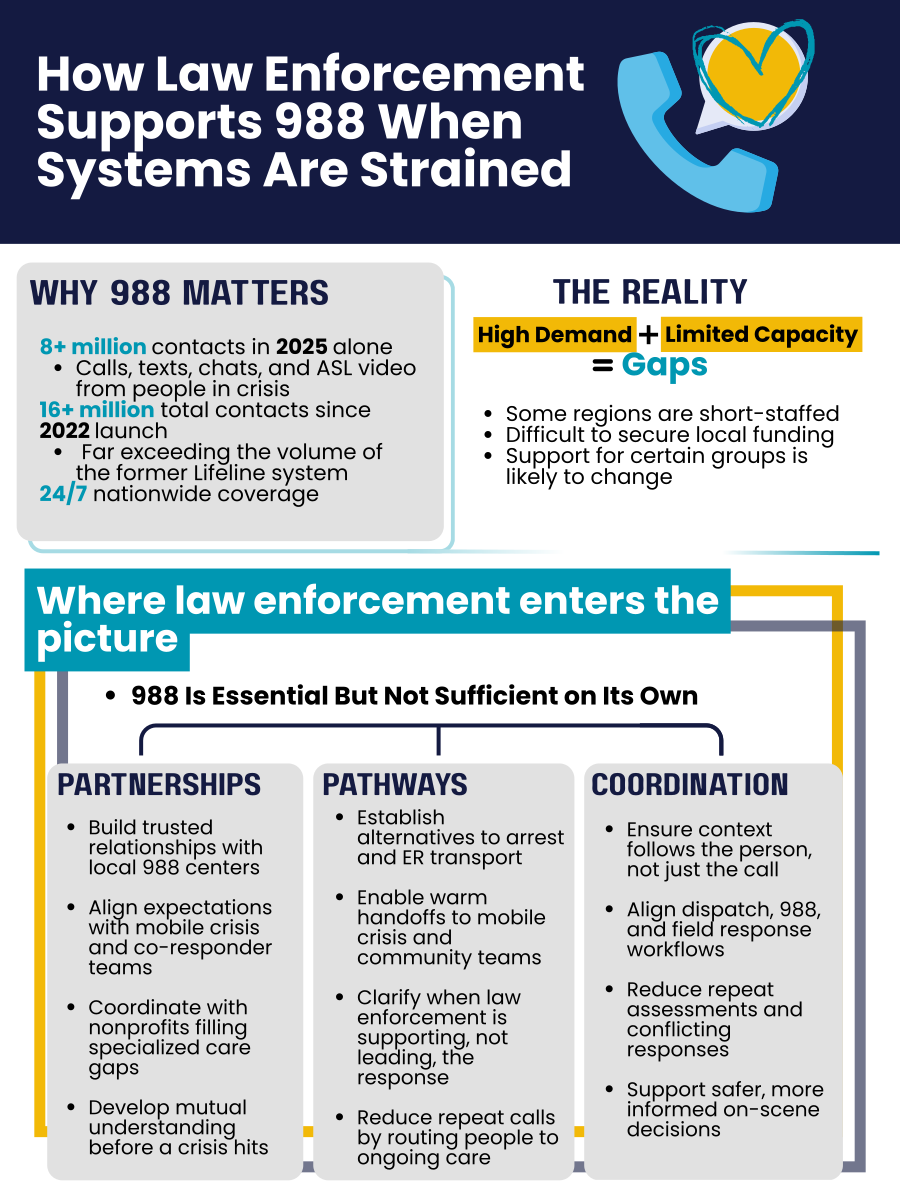
As 988 takes on a larger role in behavioral health crisis response, its success increasingly depends on how well it works alongside law enforcement. Not as a replacement, and not as a default escalation, but as a system that can rely on law enforcement when capacity is strained or safety is at risk. To support the development of 988 in practice, agencies must align across three core areas:
- who they partner with
- where they send people
- how they dispatch and respond on scene.
Who Does Law Enforcement Partner With to Support 988?

Where Does Law Enforcement Send People in a 988 Crisis?
When law enforcement becomes involved, outcomes depend on where individuals are directed next. Establishing alternatives to arrest and emergency department transport gives responders more appropriate options. Warm handoffs to mobile crisis teams or community providers help connect people to ongoing care and reduce repeat calls. Clear guidance on when law enforcement is supporting, rather than leading, helps prevent unnecessary escalation.
How Does Law Enforcement Dispatch and Respond on Scene for 988 Calls?
Effective response relies on coordination across dispatch, 988 centers, and field units. Ensuring context follows the person, not just the call, reduces repeat assessments and conflicting responses. Better alignment supports safer, more informed decisions on scene and improves overall response quality.
Conclusion
988 cannot succeed in isolation. When law enforcement is aligned through strong partnerships, clear pathways, and coordinated response, communities are better equipped to ensure people in crisis receive the right help at the right time.
If you want a PDF version of the infographic enter your email in the form below.